

Experience based marketing - why it should be in your 2026 PR toolkit
Speak to a Consultant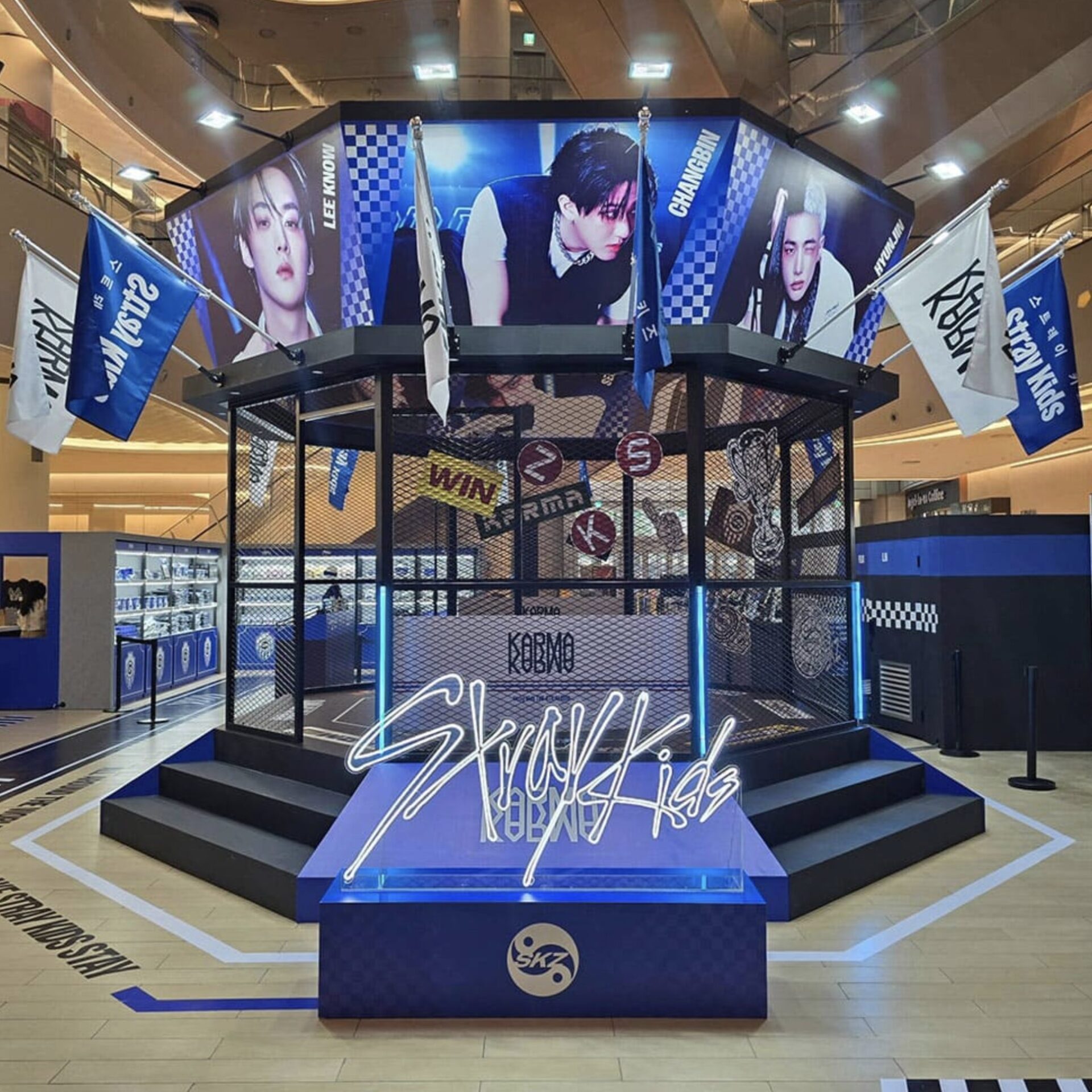
Experiential marketing, once considered a “nice-to-have” addition to traditional PR strategies, has become essential for brands that want to create genuine connections with increasingly isolated, digitally-fatigued audiences.
As we head into 2026, the brands that will thrive are the ones creating immersive, shareable, meaningful experiences that remind people why human connection matters. If experiential marketing isn’t in your PR toolkit yet, you’re not just behind the curve – you’re missing the entire conversation.
The human connection crisis
Despite being constantly “connected” through our devices, people are lonelier than ever. We spend hours a day on social media but feel disconnected from real community. We consume content endlessly but crave genuine experiences. We’re digitally present but physically absent.
This is the context in which experiential marketing has become essential. In an era of social isolation and internet dwelling, people don’t just want experiences. They need them. They’re actively seeking opportunities to connect, to feel something real, to be physically present with other humans who share their interests.
The music industry understood this before anyone else. And they’re absolutely dominating because of it.
The music industry’s experiential revolution
While other industries struggle to connect with increasingly digital audiences, musicians are creating immersive, real-world experiences that people are desperately craving.
The data tells a compelling story. From October 1, 2024, to March 31, 2025, the top five tours – Coldplay, Shakira, Seventeen, Eagles, and Paul McCartney – grossed more than $600 million with over 4.3 million attendees. But it’s not just the mega-tours that are thriving. It’s the entire ecosystem of live music experiences, from massive festivals to intimate pop-ups.
If you want to see experiential marketing executed to absolute perfection, look to K-Pop. The Korean music industry has turned pop-up stores into a sophisticated art form that generates massive revenue, builds devoted communities, and creates social media storms – all from temporary retail spaces.
K-pop agencies understand something crucial: pop-up stores can become content on social media. Fans don’t just visit these spaces, but they document them, share them, recreate them, and transform offline store content into modules for different audiences. This organic content creation garners wider fanbases and builds hype without requiring additional marketing spend.
Why it works
Here’s what the music industry understands that many brands don’t: in a world of digital overwhelm, physical experiences create emotional connections that digital marketing simply cannot replicate.
When you attend a festival, a pop-up, a concert, your brain processes it differently than scrolling through content. You’re physically present. Your senses are engaged. You’re surrounded by other humans who share your interests. You’re creating actual memories rather than consuming forgettable content.
Experiential marketing demands creativity. The goal is to provide an experience unlike anything users can find with other brands, meeting customers where they are and making something for them to talk about.
What brands can learn
The beauty of the music industry’s experiential marketing success is that the principles are universally applicable. You don’t need to be a musician to create immersive experiences that connect with isolated, digitally-fatigued audiences.
Pop-ups create urgency and exclusivity
Pop-ups are temporary stores or interactive events set up in high-traffic areas, offering exclusive products and experiences to generate urgency, exclusivity, and word-of-mouth promotion.
Any brand can create pop-up experiences. A fashion brand can create a one-day styling experience. A food brand can host a tasting event. A tech company can build an interactive demo space. The temporary nature creates urgency; the exclusivity creates desirability.
Partnerships have a deeper impact
Find brands with complementary values and audiences, then create experiences that benefit from all partners’ strengths. Your pop-up coffee experience could partner with a local bakery and a furniture brand. Your tech demo could partner with a gaming company and a beverage brand. The key is ensuring all partners enhance rather than dilute the core experience.
Make it multi-sensory and shareable
Think beyond visual – incorporate sound, smell, touch, taste. And critically, create moments people want to photograph and share. If your event isn’t generating organic social media content, you’re missing half the value. Design for share-ability without making it feel forced.
Align with your purpose
Modern experiential marketing must align with broader values. People want to participate in experiences that reflect their beliefs about the world. Your experiential marketing should communicate not just what your brand does, but what your brand stands for. This creates deeper emotional connections that transcend the immediate experience.
Intimate experiences
One crucial lesson from the music industry: bigger isn’t always better. While Coachella and Ultra Music Festival get headlines, intimate pop-ups and small venue experiences are equally valuable (sometimes more so!)
Small, authentic experiences often create deeper connections than massive events. Consider:
- Intimate parties for product launches
- Small-group workshops or classes
- Exclusive preview events for limited audiences
The intimacy can actually enhance the experience and create more powerful advocacy.
Final thoughts
As we move into 2026 and beyond, the brands that will thrive are those that understand this fundamental truth: digital marketing reaches people, but experiences connects with them.
In a world where the average person sees between 4,000 and 10,000 ads daily, how do you make your brand memorable? The answer isn’t another social media campaign or digital ad, it’s getting people out from behind their screens and into real-world experiences.
If you want to build experiences for your brand and connect with your audience on a deeper level, contact us today.
Ready to be recognised?
Whether you’re aiming for industry-leading recognition, national awards, or local business accolades, our award entry expertise will put your achievements in the best possible light.
Contact us to see how strategic award entries can position your business for lasting recognition and impact.