

What started as a single parking fine has turned into a lesson in the shifting dynamics of power in the age of social media – all thanks to the mysterious, Zoë Bread. While this unusual saga is quite the quirky news story, it also offers an important case study in public relations, and more specifically – reputation and crisis management.
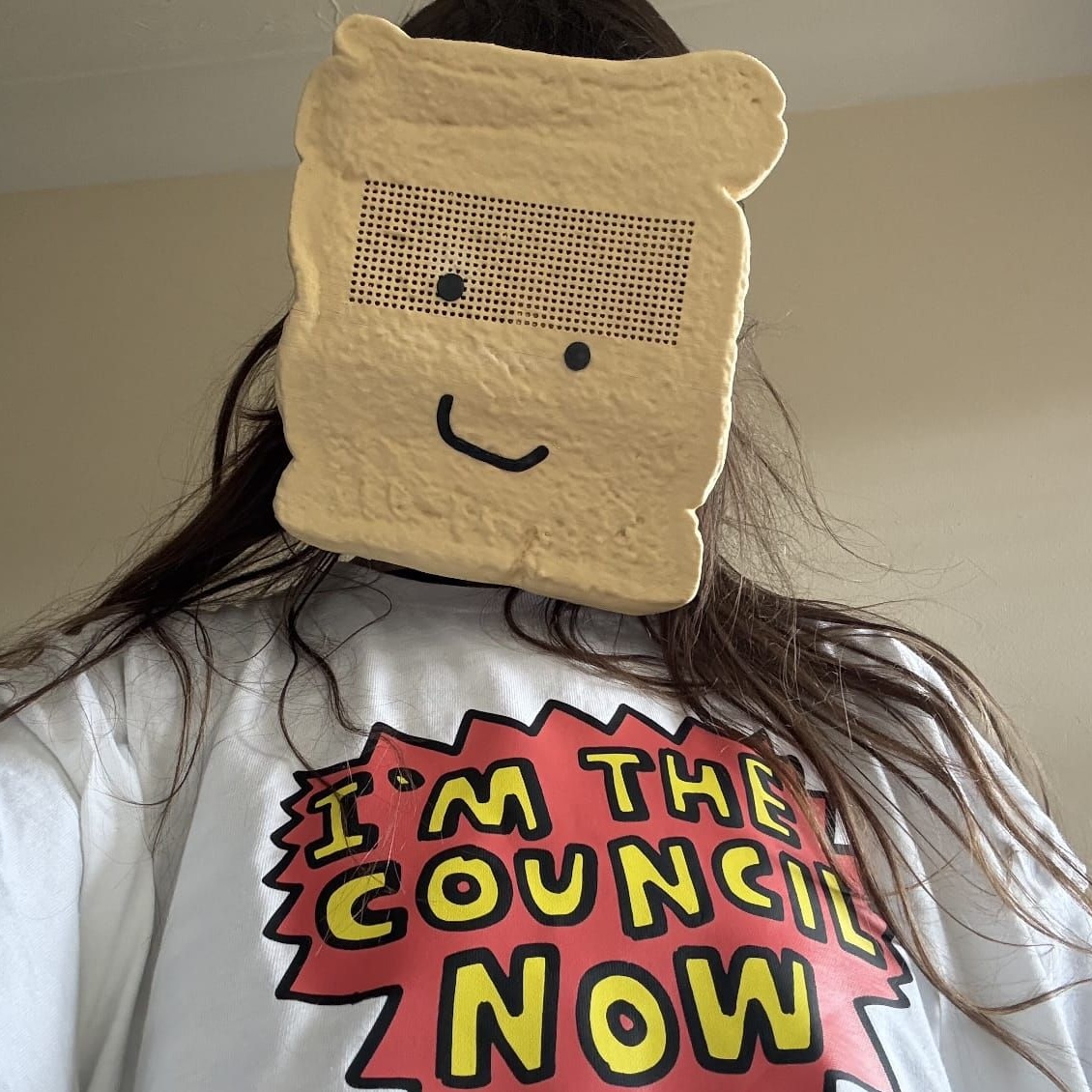
Zoë Bread is an anonymous TikTok creator known for witty satirical comedy and wittier homemade t-shirts, all hiding behind a literal slice of bread. She may seem like an unlikely challenger to a local authority, but her viral series of videos on TikTok has forced Manchester City Council to review its signage policies, cancel pending fines, and acknowledge the need for clearer communication with the public.
Zoë received a fine after buying a parking ticket at the wrong meter. She then underwent what she describes as “accidental real investigative journalism” – which included staking out parking wardens, creating her own signage and collecting information about other parking fines issued for offences on the same street. Across a series of 30 videos at time of writing, she amassed more than 16 million views on TikTok alone.
The power shift to individuals
In years gone by, a wrongly issued parking fine might have resulted in a few unanswered emails, a lost appeal, and perhaps a grumble over dinner. Today, in the era of online activism, individuals like Zoë Bread can command the attention of a worldwide stage.
By sharing her journey on TikTok with humour, visual creativity, and emotional authenticity, Zoë built a narrative that resonated with people far beyond Manchester. Her videos struck a chord with anyone who has had the experience of dealing with the British government. Public pressure snowballed. With viewers invested in her story, the spotlight quickly turned to Manchester City Council – and the council was forced to respond.
The PR lessons
This is what can happen when institutions underestimate the influence of digital voices. Especially when those voices come with a platform and a compelling message.
Despite the council’s insistence that their signage was compliant, the public perception – shaped almost entirely by Zoë’s content – was very different. The council quickly developed an image of confusion, a lack of transparency, and inflexibility. In public relations, perception is just as powerful as fact.
To their credit, Manchester City Council eventually recognised this. Leader Bev Craig personally contacted Zoë, acknowledged the confusion, and pledged real action – including refunds and signage changes.
This response, albeit delayed, is a crucial PR strategy:
- Acknowledge the issue
- Engage directly with critics
- Offer clear, proactive solutions
- Communicate updates transparently
Social Media as a tool
Social media is a double-edged sword. It offers a way to connect, educate, and build trust, but it also exposes organisations to scrutiny. Transparency, clarity, and responsiveness are now more important than ever.
For PR professionals and communications teams, remember that reputation is shaped from the outside in. While official channels and press releases remain important, a well-timed and well-executed social media response can steer the narrative – especially when it taps into public frustration.
You no longer own your narrative – you share it with your audience. If you manage it well, social media becomes your greatest tool. But ignore it, and it could quickly become your greatest threat.
Need help managing your organisation’s communications? We help brands tell their stories, build trust, and navigate the ever-changing digital landscape. Let’s chat.