

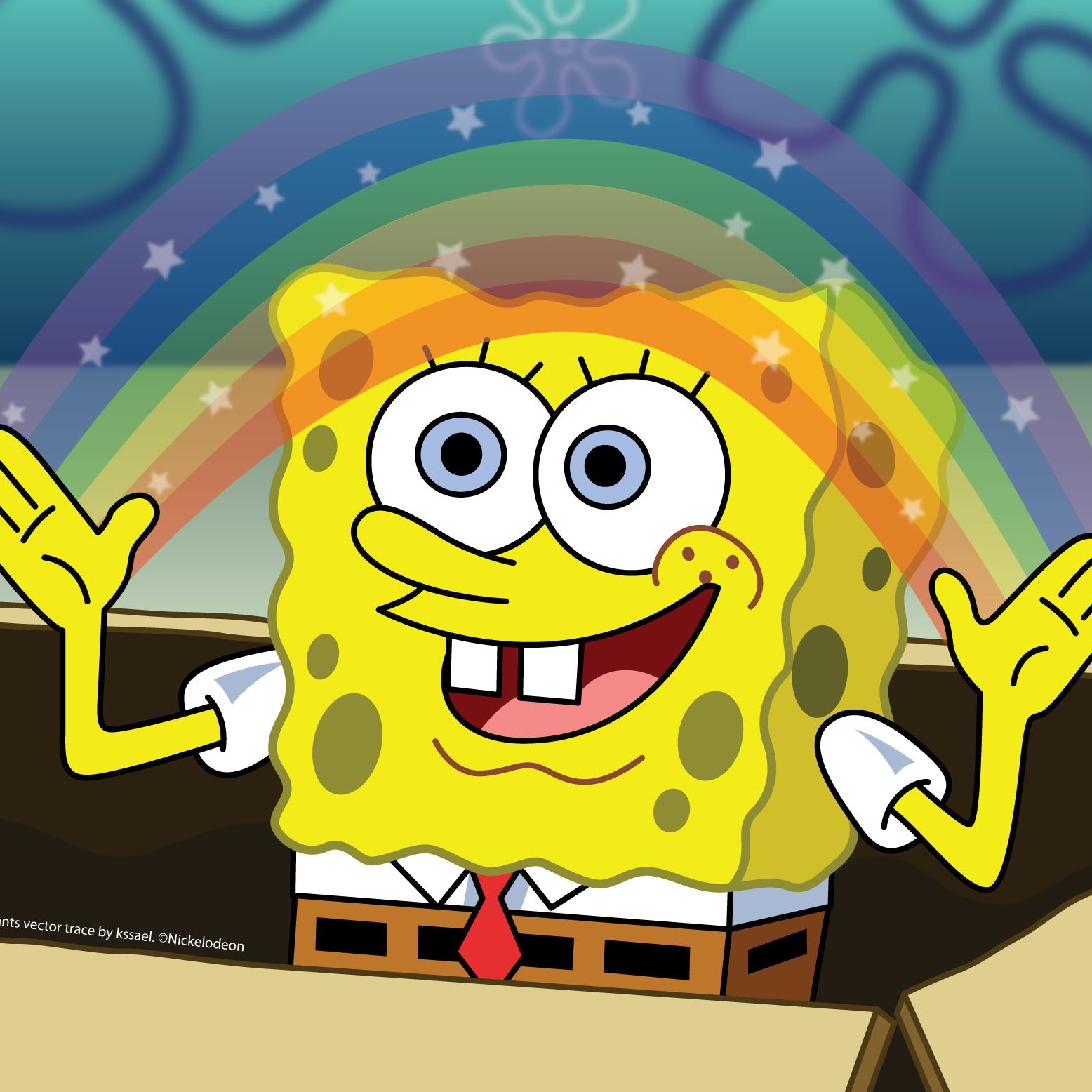
Memes move fast, get shared around even faster and have a way of sticking in people’s minds. For brands keeping up with TikTok trends, viral sounds and online jokes, meme marketing seems like an obvious way forward. But anyone in PR knows the catch: the very thing that makes it powerful also makes it risky. They can boost your message and work really effectively or, conversely, ruin your reputation in a matter of hours.
The question is no longer whether memes have a place in marketing, because they clearly do. The real question is whether you know how to use them without letting them use you and say something about your brand that you weren’t trying to say.
Here is why meme marketing works, when it fails, and how a PR-first lens can keep it clever instead of limiting.
Memes as modern storytelling
Meme marketing is not just pictures or sounds. It functions as a quick, humorous and relatable way to share a story. For brands, this presents a unique opportunity. Instead of relying on long-form campaigns or carefully worded messaging, a well-timed joke can spark conversation, invite participation and build cultural relevance almost effortlessly. The key is subtlety, as the best ones don’t try to grab attention, but let people take part. Audiences share and remix them, turning the brand’s message into something that feels alive and organic.
Meme marketing also allows brands to express personality without over-explaining or overproducing. A clever reference, a perfectly timed reaction image or a trending sound can humanise a brand and make it feel approachable, playful and in tune with cultural trends. The audience ends up co-creating the narrative, which makes every viral moment feel organic rather than manufactured. This type of storytelling is essential for any brand that wants to stay relevant, connected and engage its audience.
When memes backfire
The flip side, of course, is that memes are fragile. They don’t always carry well across every audience, and humour that feels clever in one context can feel tone-deaf in another. Sometimes when brands jump on a meme too late, instead of looking savvy, they look like they’re scrambling to catch up. Others miss the tone completely, forcing humour where it doesn’t belong, and risk damaging the very trust they’re trying to build.
A poorly executed attempt at humour and the incorrect use can spread just as fast as a clever one, and once it does, the brand has lost control of the narrative. This is why meme marketing without a strategy is very risky.
The PR lens on meme marketing
Where PR comes in is not in stifling creativity but in shaping it. A PR agency helps make sure that memes feel like an extension of the brand, not an awkward departure from it. That means asking the right questions: Does this align with your values? Does it feel authentic to your voice? Do you understand how different audiences might interpret it? And crucially, what’s the plan if it doesn’t go as expected?
The key to meme marketing is subtlety. A brand posting a meme should not feel like a press release dressed up as a joke to try and engage audiences. It should feel like a knowing wink from a brand that understands its place, being both creative and humorous, when appropriate.
This is one of the most effective ways for brands to connect with people, but it is not a simple fix. It requires awareness, flexibility and good timing on behalf of the marketers behind the brand. Done well, memes make brands feel current, approachable and human. Done poorly, they can trap a brand in a story that is hard to change and get away from.
If you’re ready to build a brand that knows when to lean in, when to step back and how to let the internet do the talking without losing control of the story, get in touch.